Home / Human Experience Audit / Example Session

ZAYCEV.studio

Human Experience Audit — Example Session

How real users experienced an AI SaaS product during a moderated usability session.

Product Type
AI SaaS
Participants
5 users
Session Type
Moderated Remote
Session Length
15 minutes
Methodology
Think-Aloud Protocol

What happened, minute by minute.

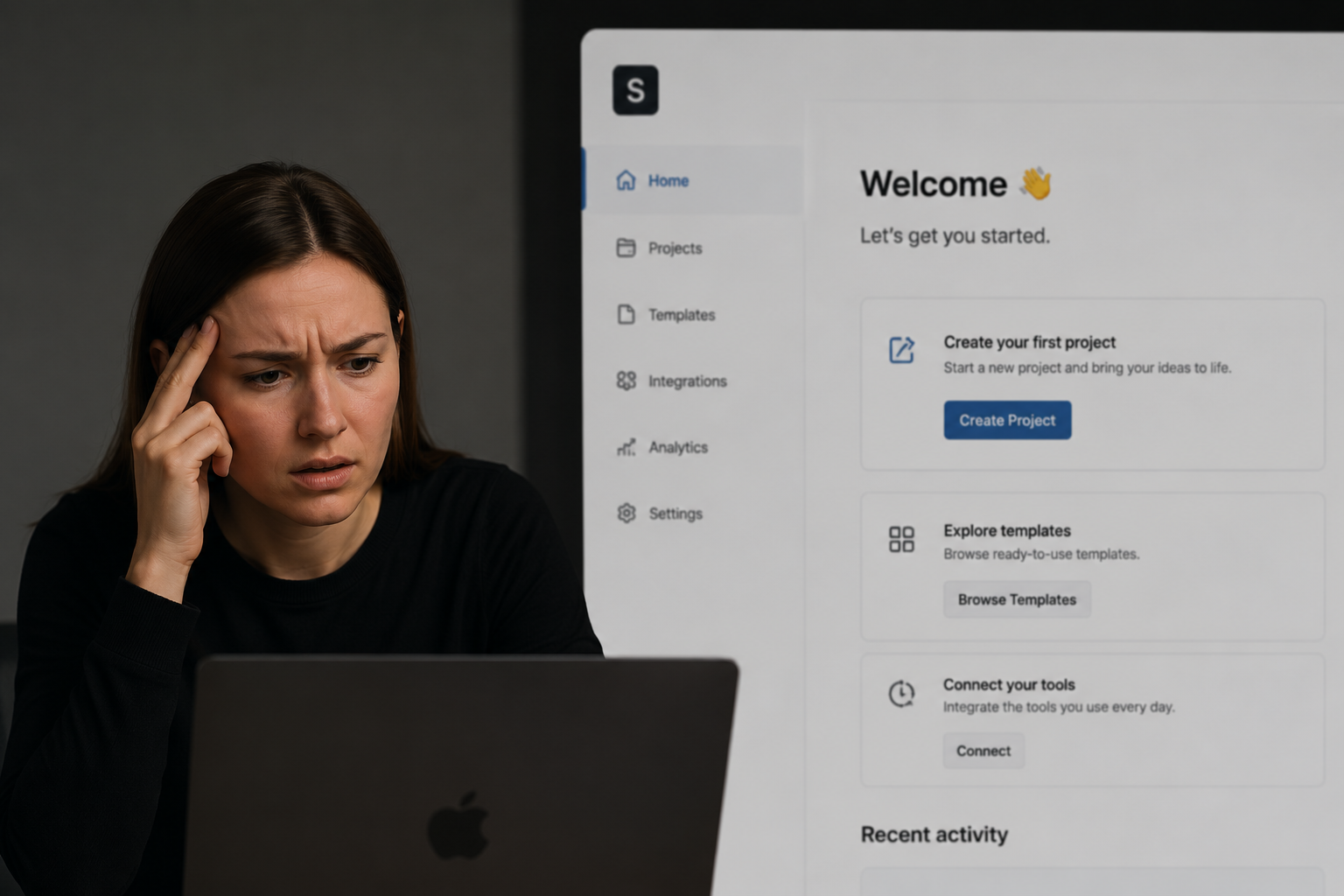
00:14
Confusion
Confusion — user paused on onboarding screen
User paused on the welcome dashboard and re-read the screen twice. Three of five participants stopped within the first 20 seconds and verbalized uncertainty about what the product expected them to do next. The onboarding sequence presented features before establishing what the product actually does.
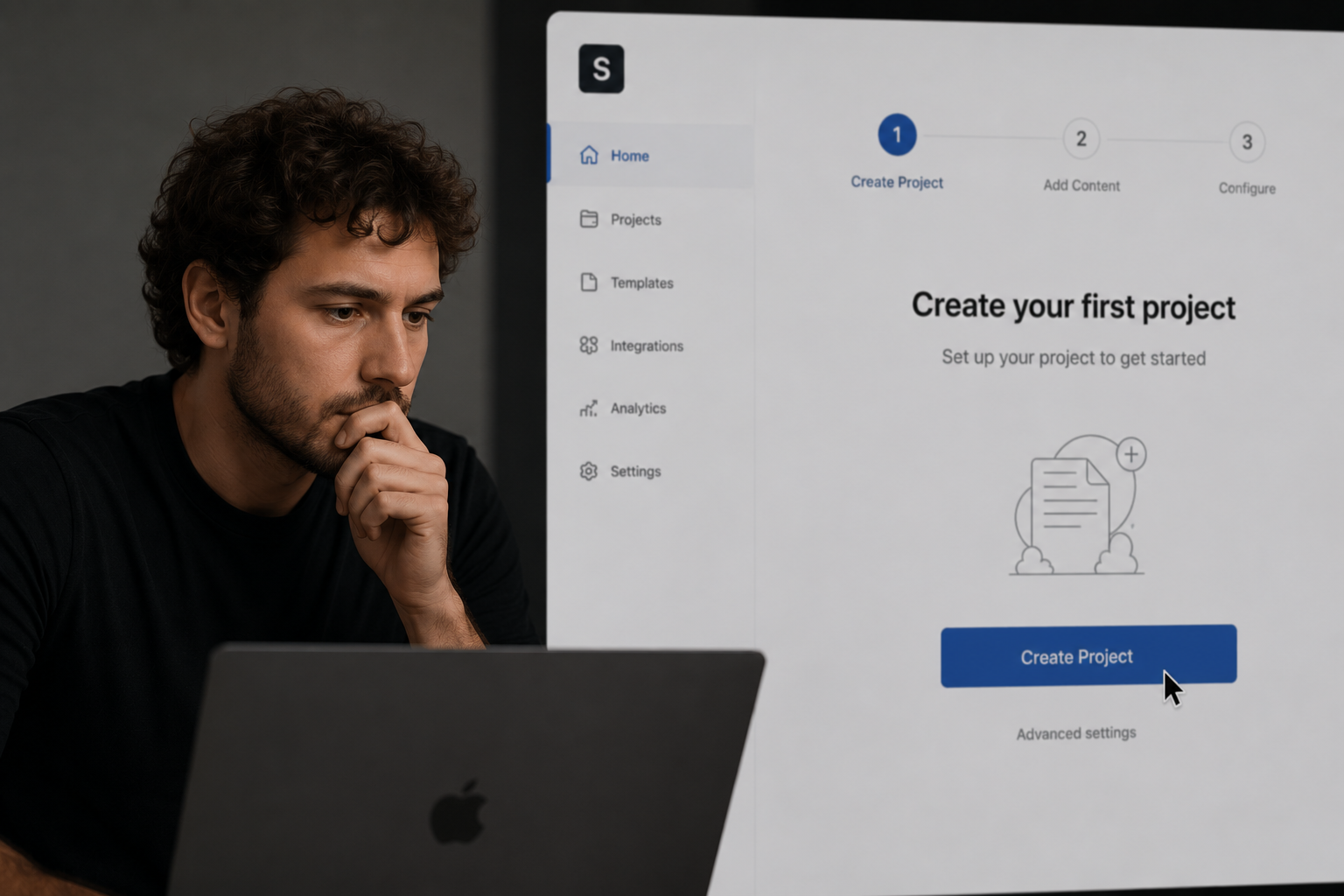
01:22
Hesitation
Hesitation — user hovering over primary CTA
All 5 participants slowed down before the main CTA. Average hover time without clicking: 8 seconds. One participant moved the cursor away from the button, examined other page elements, and returned. The CTA label described a technical action rather than a user outcome. No secondary context was available to resolve the uncertainty.
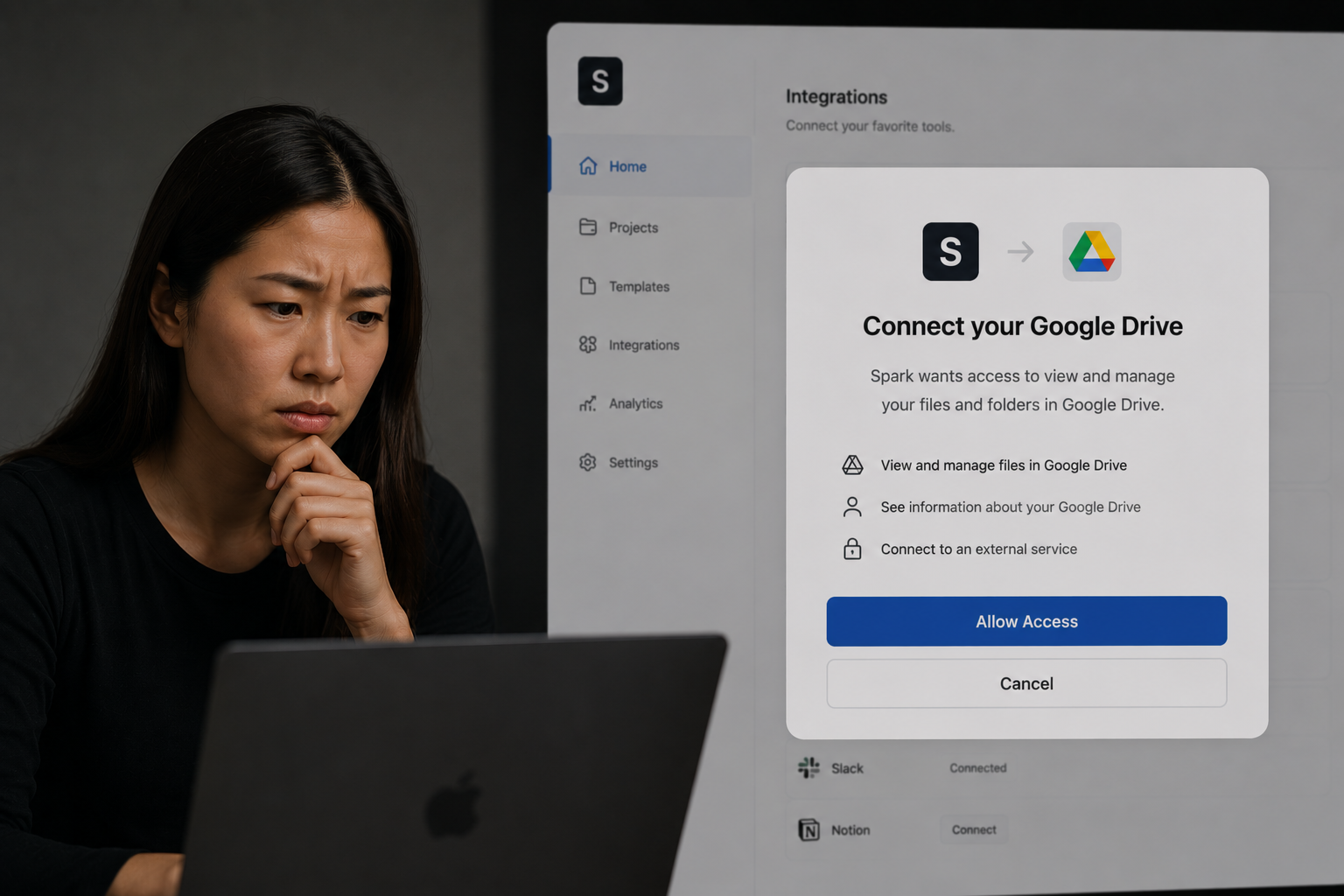
02:41
Trust Concern
Trust Concern — permission request screen
A third-party integration prompt appeared. 3 of 5 participants paused noticeably. Two users navigated back to the previous screen before proceeding. One said out loud: "Why does it need access to this?" The permission request appeared before users had experienced the product's core value, which reduced willingness to continue.
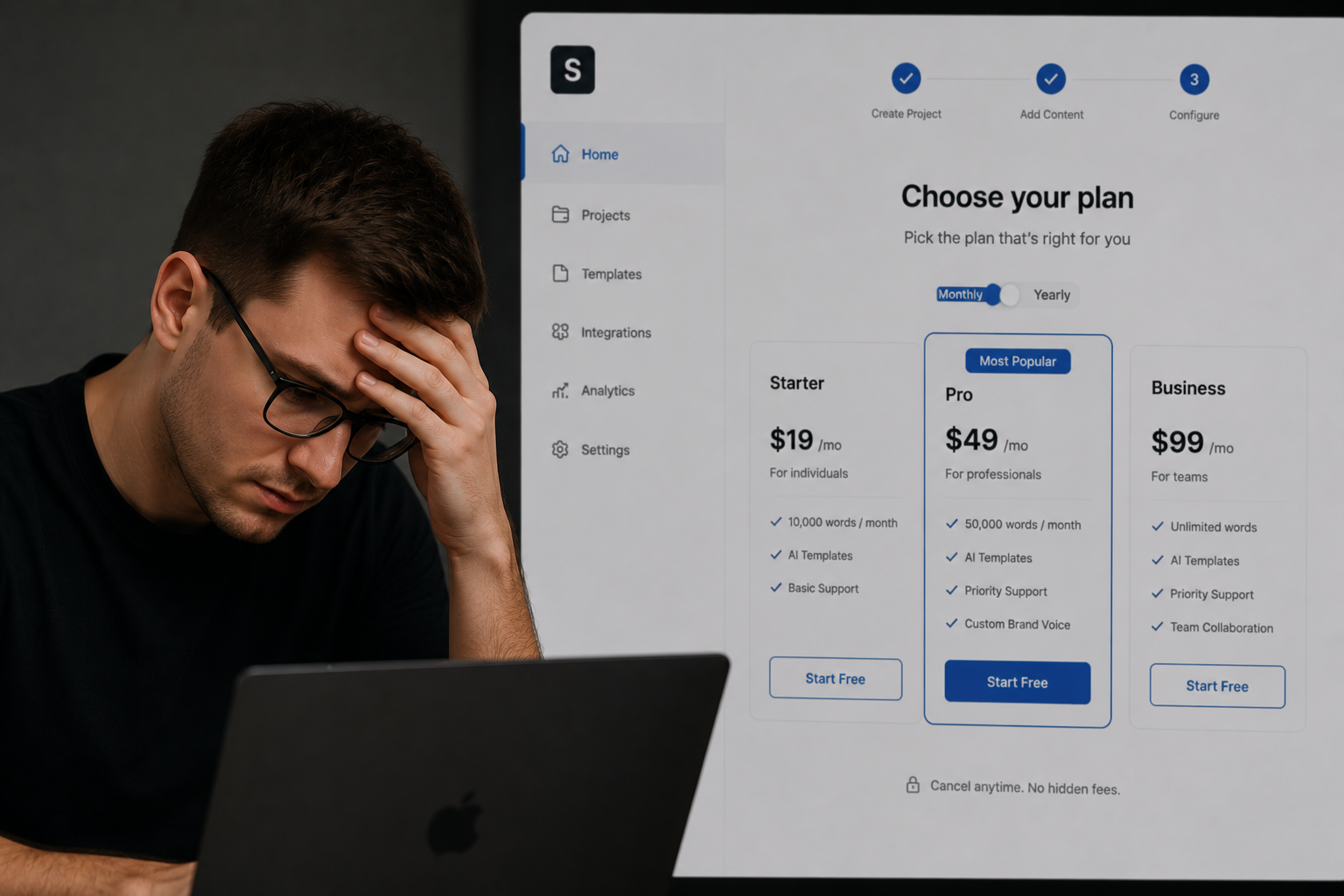
04:03
Task Abandonment
Task Abandonment — user exits at pricing screen
2 of 5 participants encountered pricing before completing the onboarding flow and did not return. No error message appeared. No guidance was shown. The session simply stopped. Pricing was introduced at a point in the flow where users had not yet understood the product's value — making it impossible to evaluate whether the cost made sense.

How confidence changed during the session.

Curious
Opened the product with intent
Interested
Exploring the interface
Confused
Unclear what to do next
Uncertain
Hesitating before key actions
Frustrated
Lost confidence, stopped

What the sessions revealed.

4 / 5
Participants could not explain what the product does after completing the onboarding flow. The value proposition was not clear enough at the point users needed it most.
8 sec
Average hesitation time before the primary CTA across all participants. Users hovered without clicking. The label described a system action, not a user benefit.
3 / 5
Users questioned the permission request and navigated backwards before proceeding. Trust was interrupted before value was established.

Where friction appeared in the interface.

C
Confusion
H
Hesitation
T
Trust concern
D
Drop-off
Confusion
Hesitation
Trust concern
Drop-off point

What the team believed. What users experienced.

Before Testing
Users understand the onboarding flow
The primary CTA is self-explanatory
Pricing is presented at the right moment
Users trust the integration prompt
After Testing
Users needed to re-read the welcome screen multiple times
All 5 participants hesitated before clicking
Pricing appeared before users understood the product
3 of 5 users questioned the permission request

What users said out loud.

"I'm not sure what happens next."
Participant 2 — 00:14
"Wait, why does it need access to this?"
Participant 4 — 02:41
"I think I missed something important."
Participant 1 — 01:22
"This is where I'd probably leave."
Participant 3 — 04:03

Why the friction happened.

Onboarding Confusion
Users were asked to take action before being given context about what the product does. The product assumed familiarity that new users did not have.
CTA Hesitation
The button label described a technical system state, not a user outcome. Users could not predict what would happen if they clicked — so they didn't.
Trust Breakdown
The permission request appeared before users felt the product's value. Without a reason to trust, the request felt unnecessary — and possibly suspicious.
Premature Pricing
Pricing was surfaced at a point in the flow where users had not completed a single meaningful task. They had no basis to evaluate whether the cost was justified.

What to address first.

Priority 1
Clarify onboarding expectations
Show users what the product does before asking them to do anything. A single sentence of context at the right moment removes the uncertainty that causes early abandonment.
Priority 2
Rewrite the primary CTA
Replace the technical label with a phrase that describes the user's next step in plain language. Users should know what happens after they click before they decide to click.
Priority 3
Delay pricing exposure
Present pricing only after users have experienced at least one core workflow and understood the value. A user who has felt the product's benefit can evaluate cost meaningfully.
Priority 4
Explain permissions before requesting them
Add a brief explanation of why each permission is needed and what it enables. Trust is built through transparency, not assumption.
Human Experience Audit

Analytics show what users did.
Observation shows why.

Every product has friction that the team building it cannot see. A Human Experience Audit makes it visible before you scale.

Request a Human Experience Audit