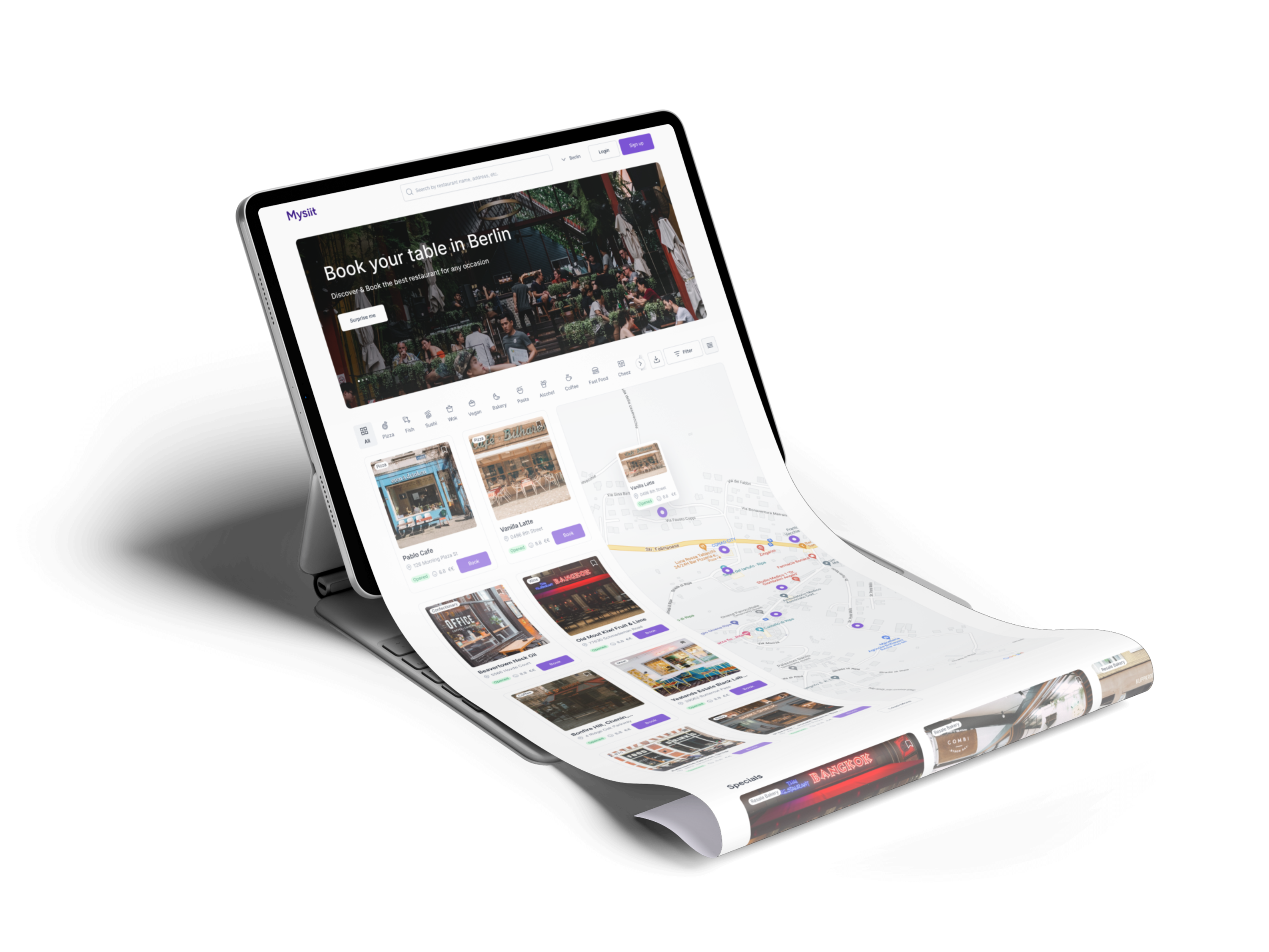
Mysiit is a table booking and reservation management platform for restaurants. The team had a working MVP — functional, but barely. It did the job on paper. In real use, it created friction at every step.
The problem
The existing product tried to do everything at once and did nothing well. Restaurant staff had to learn an unintuitive table manager. Guests struggled through a booking flow that felt like filling out a form for a bank. The information architecture was layered in a way that made sense to engineers, not to people running a busy Friday night.
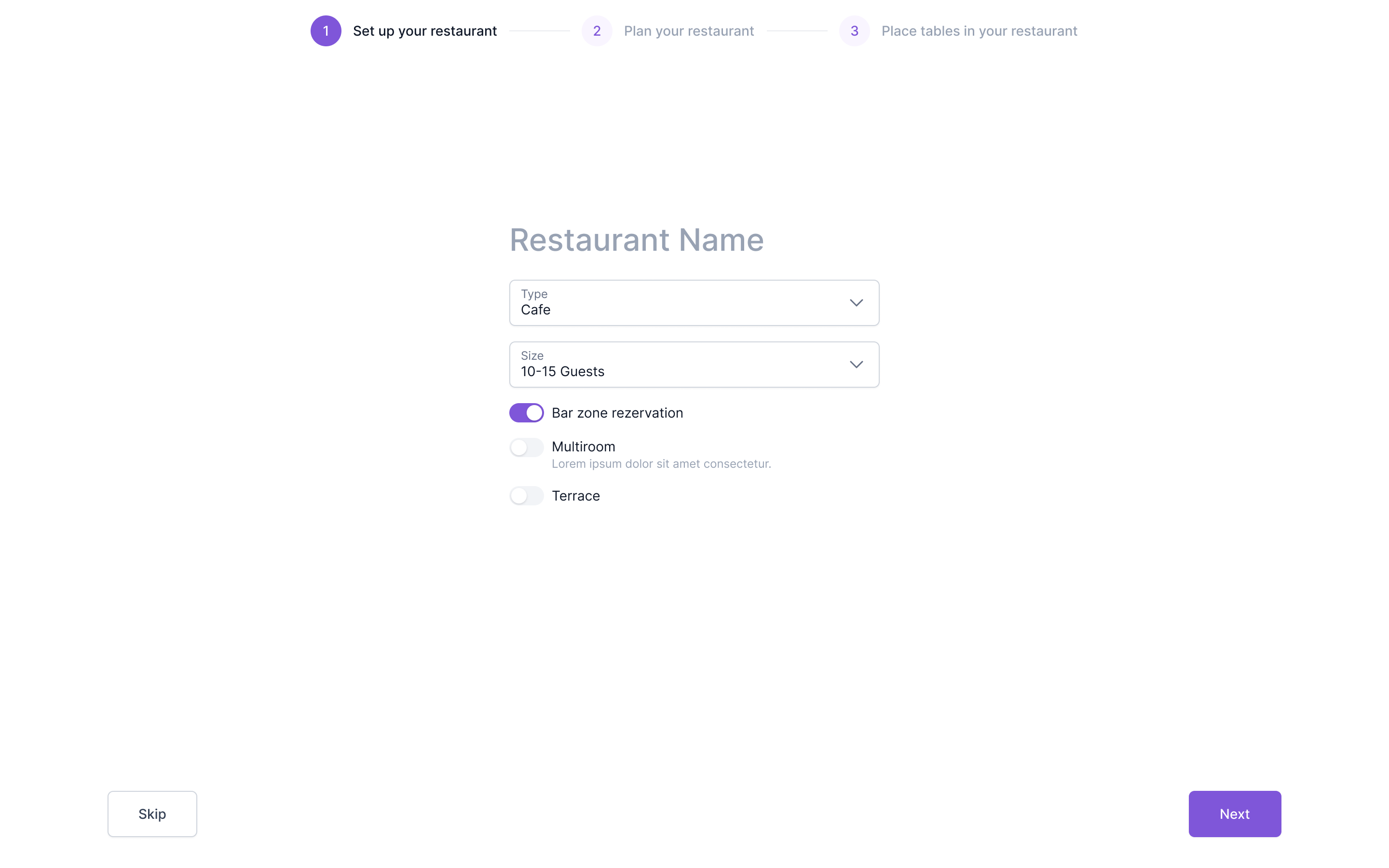
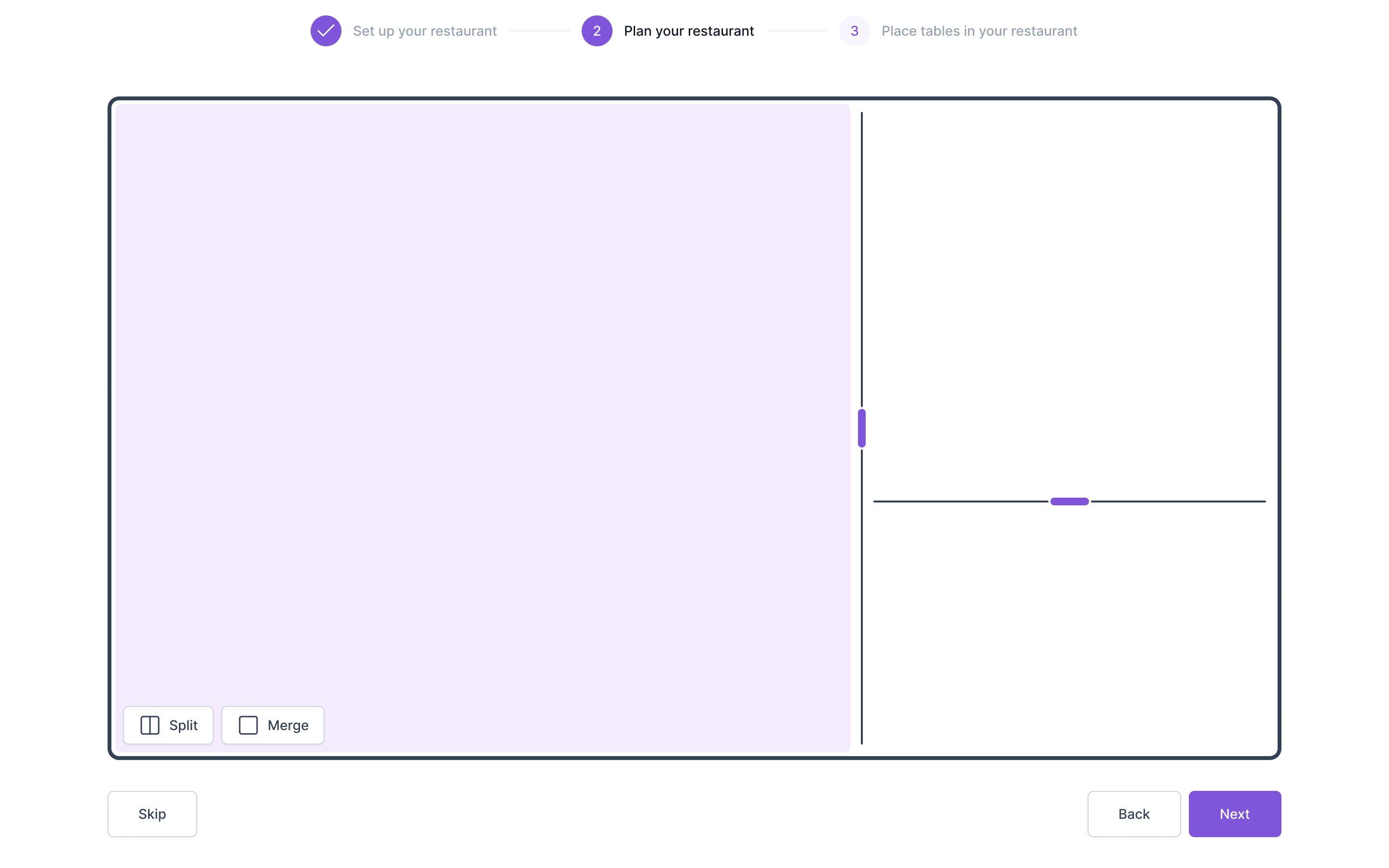
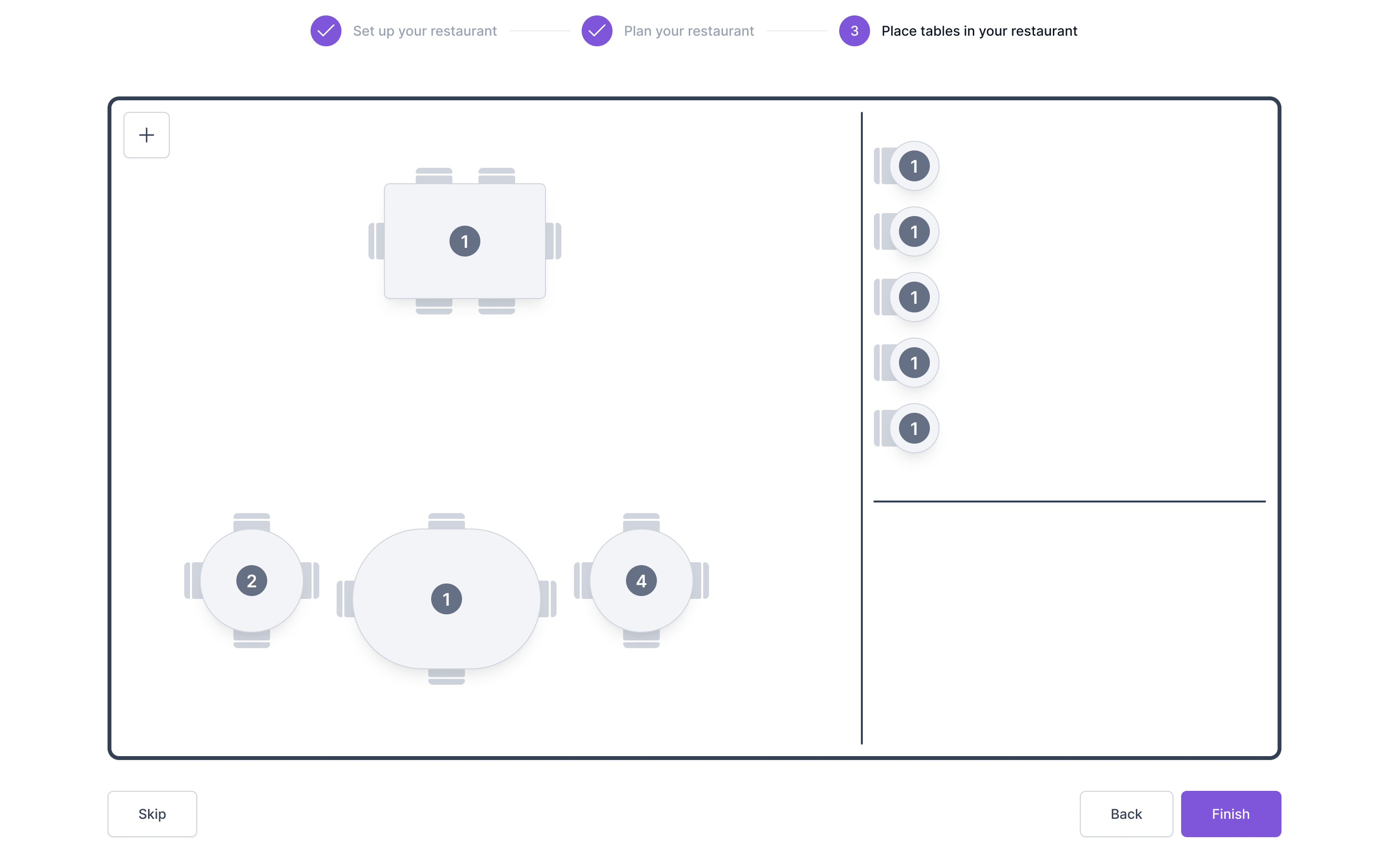
The core issue wasn't visual — it was structural. The product was designed around the system's logic, not the user's mental model. A restaurant host doesn't think in "reservation entities." They think in tables, times, and names. Once we reframed the product around that, everything else followed.
The direction: calm, fast, obvious. Every interaction had to be immediately clear — no learning curve, no second-guessing. Visually: clean and neutral, nothing that competes with the restaurant's own brand.
More about our typical UX process →
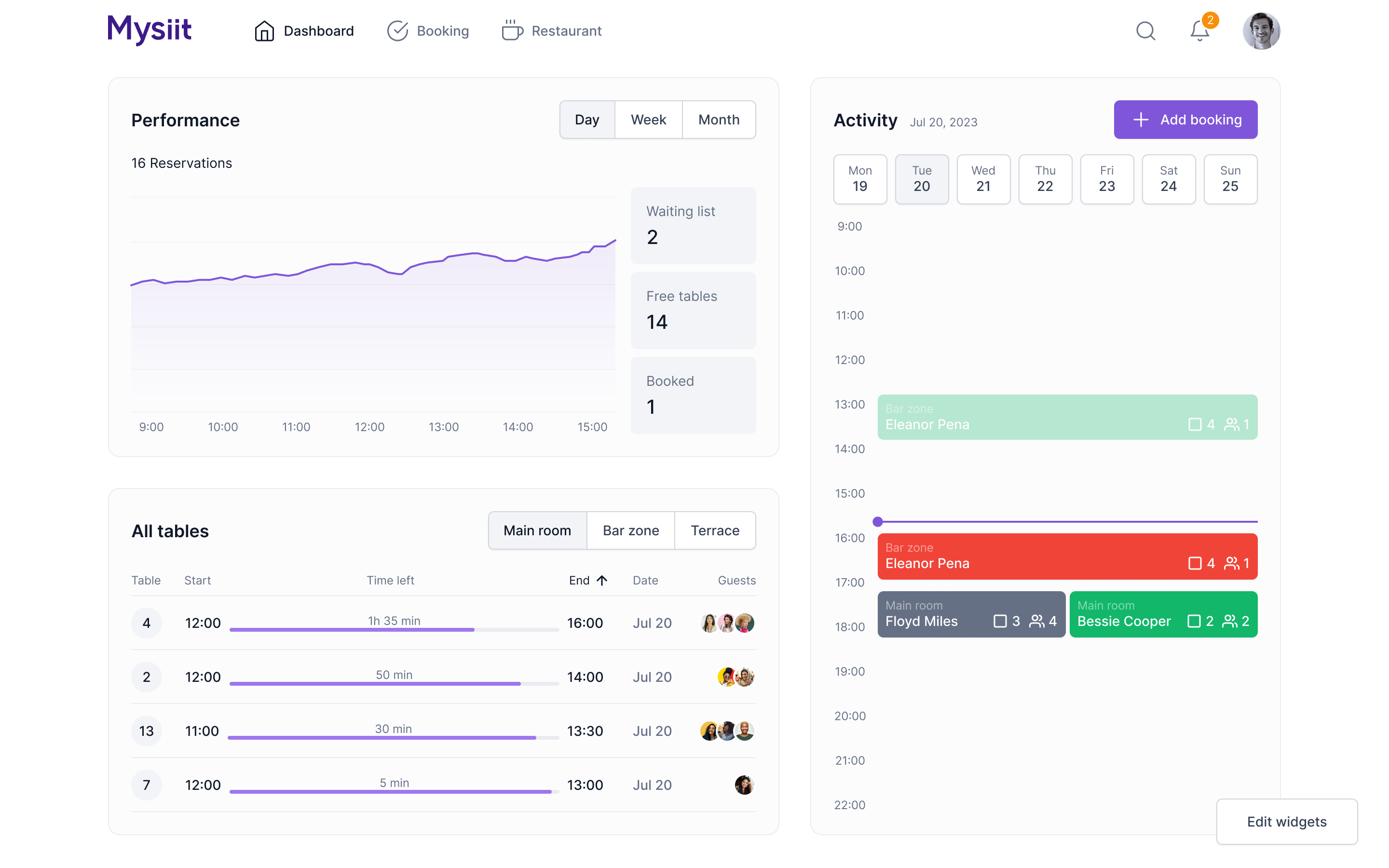
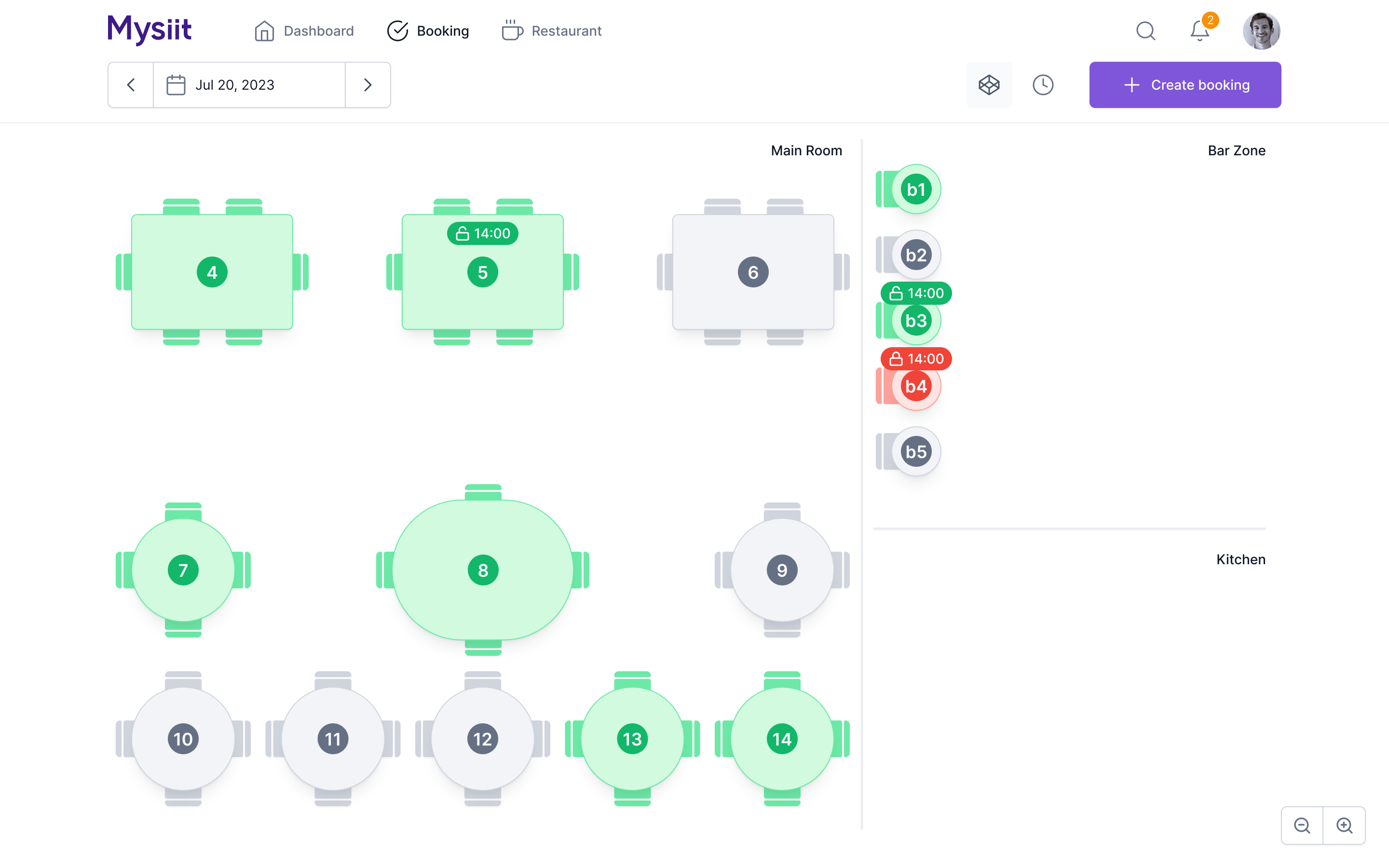
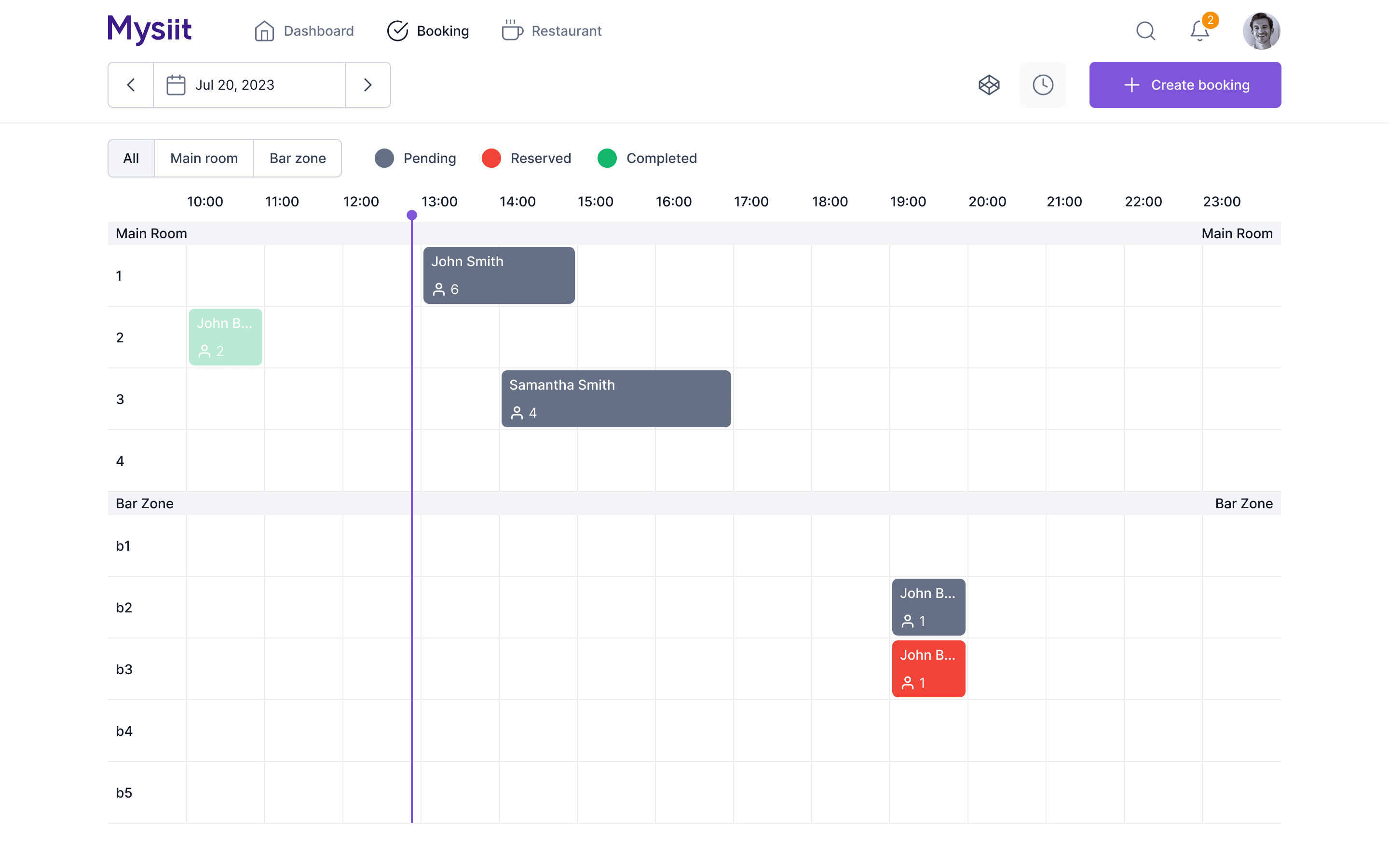
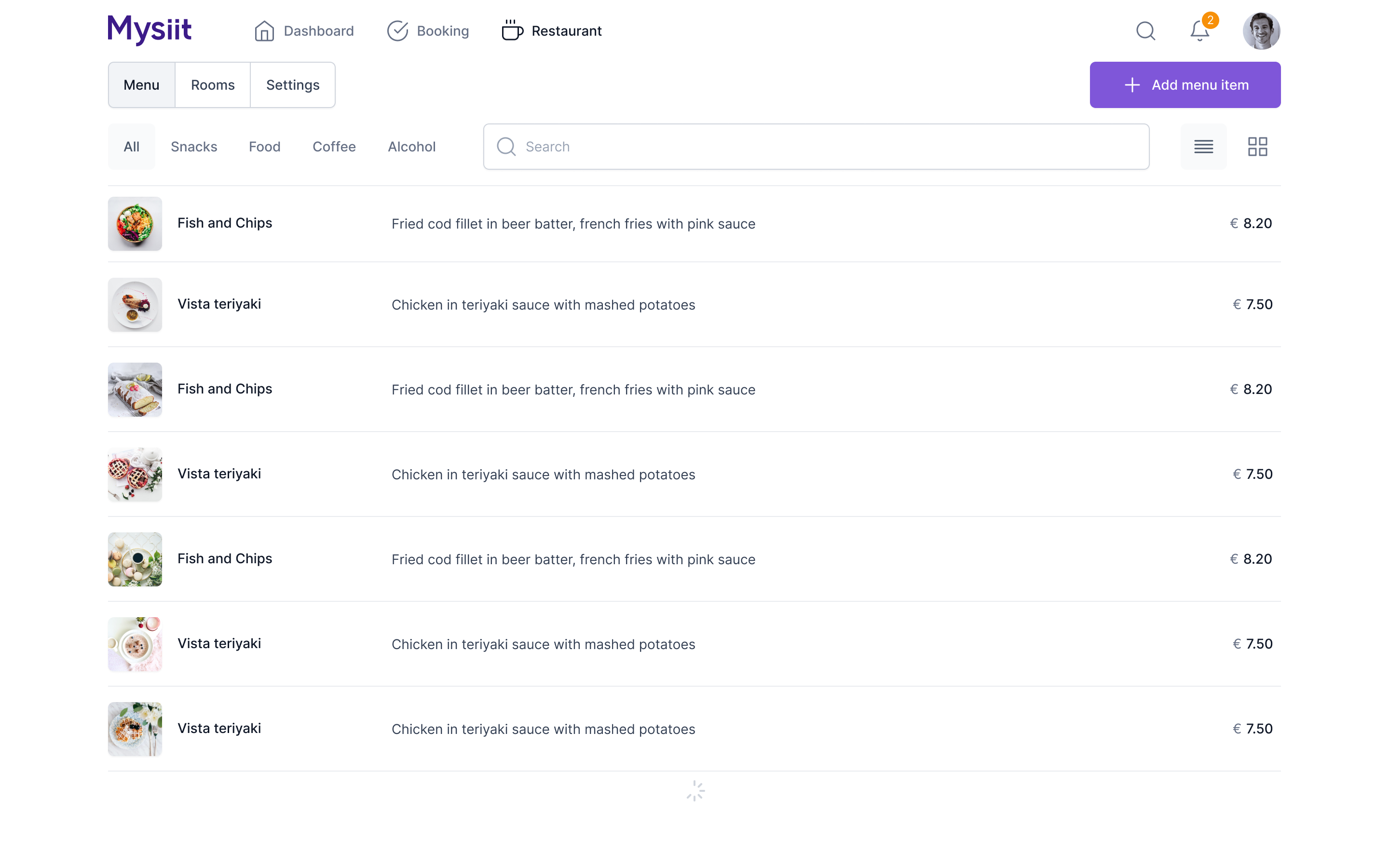
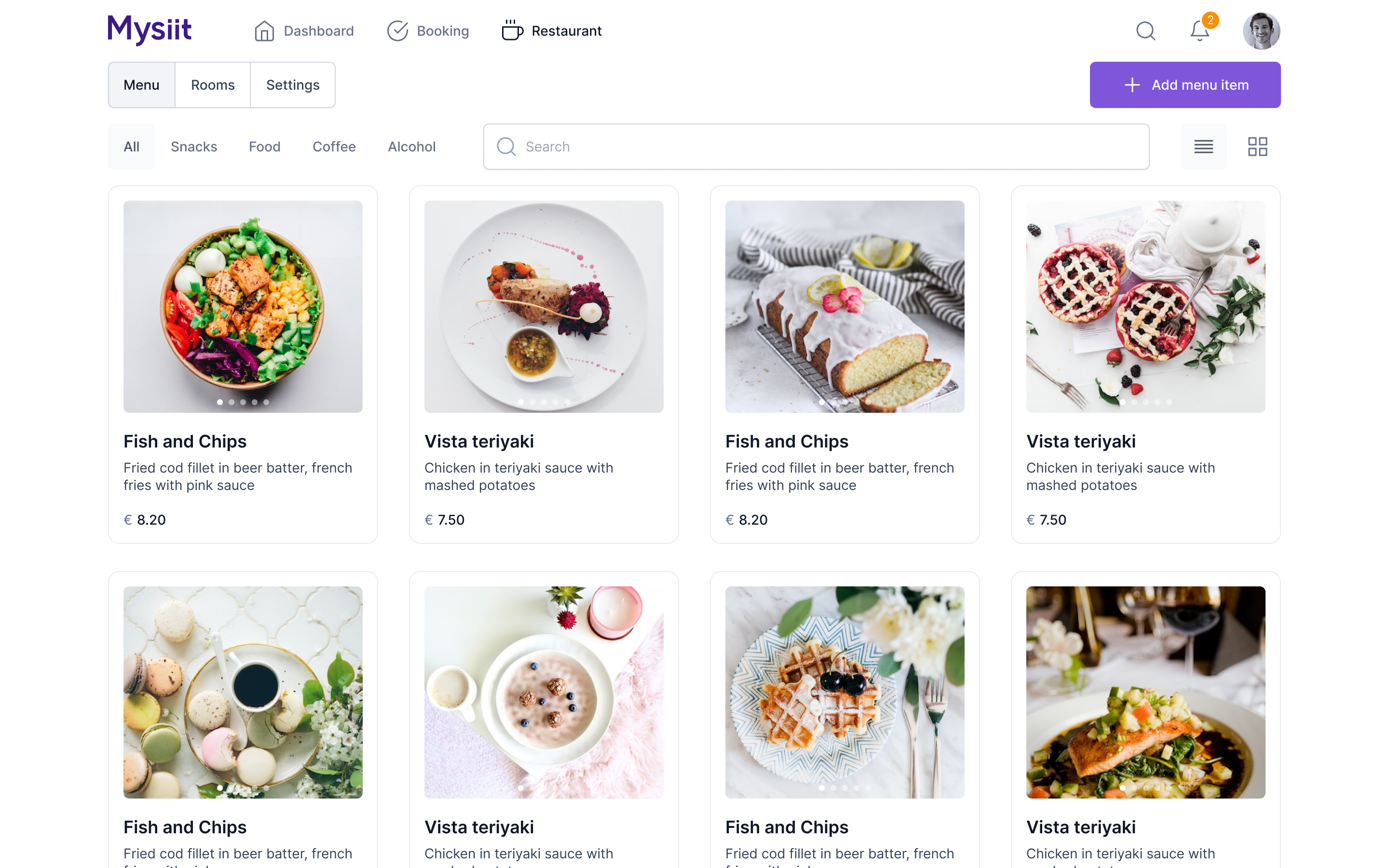
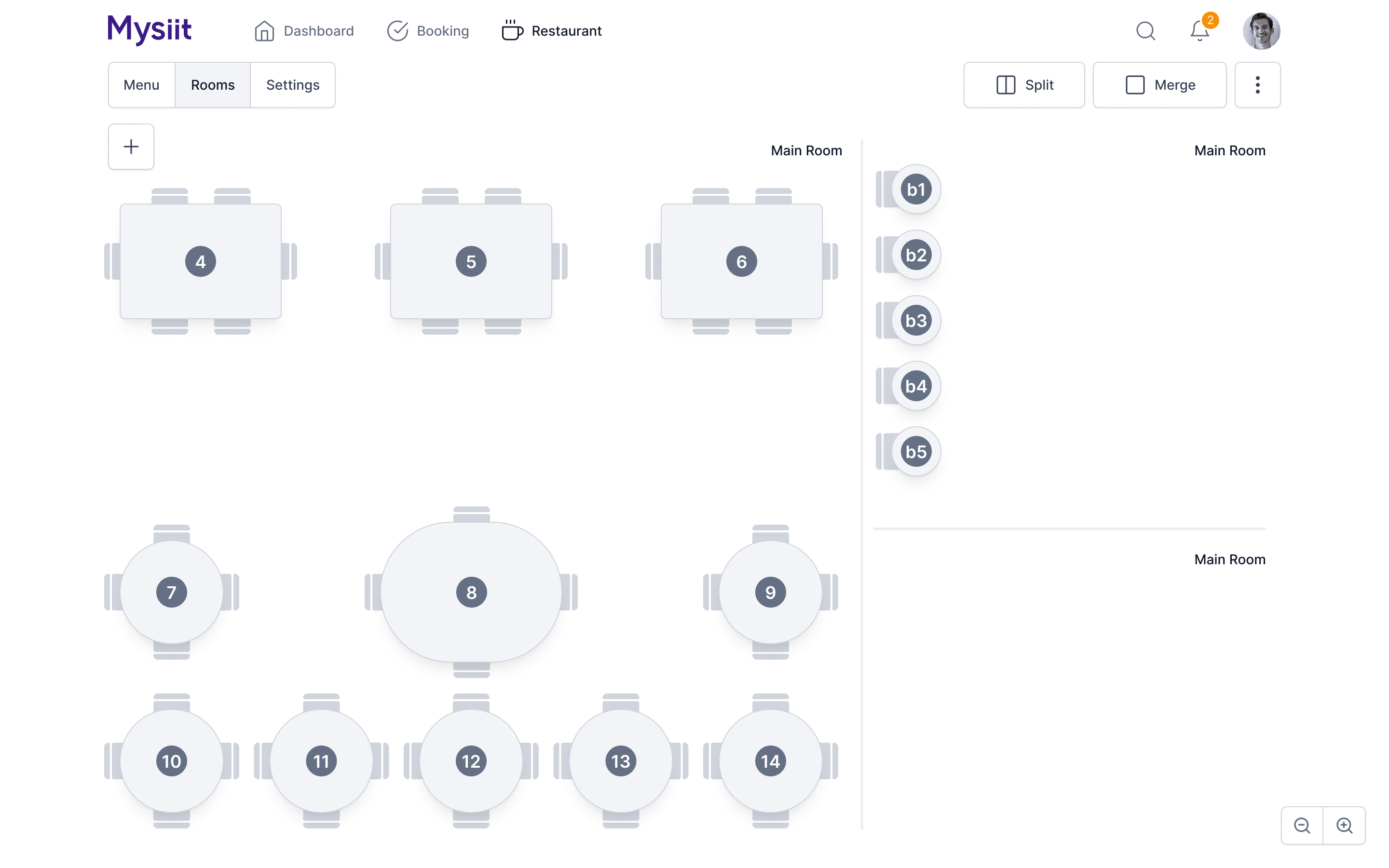
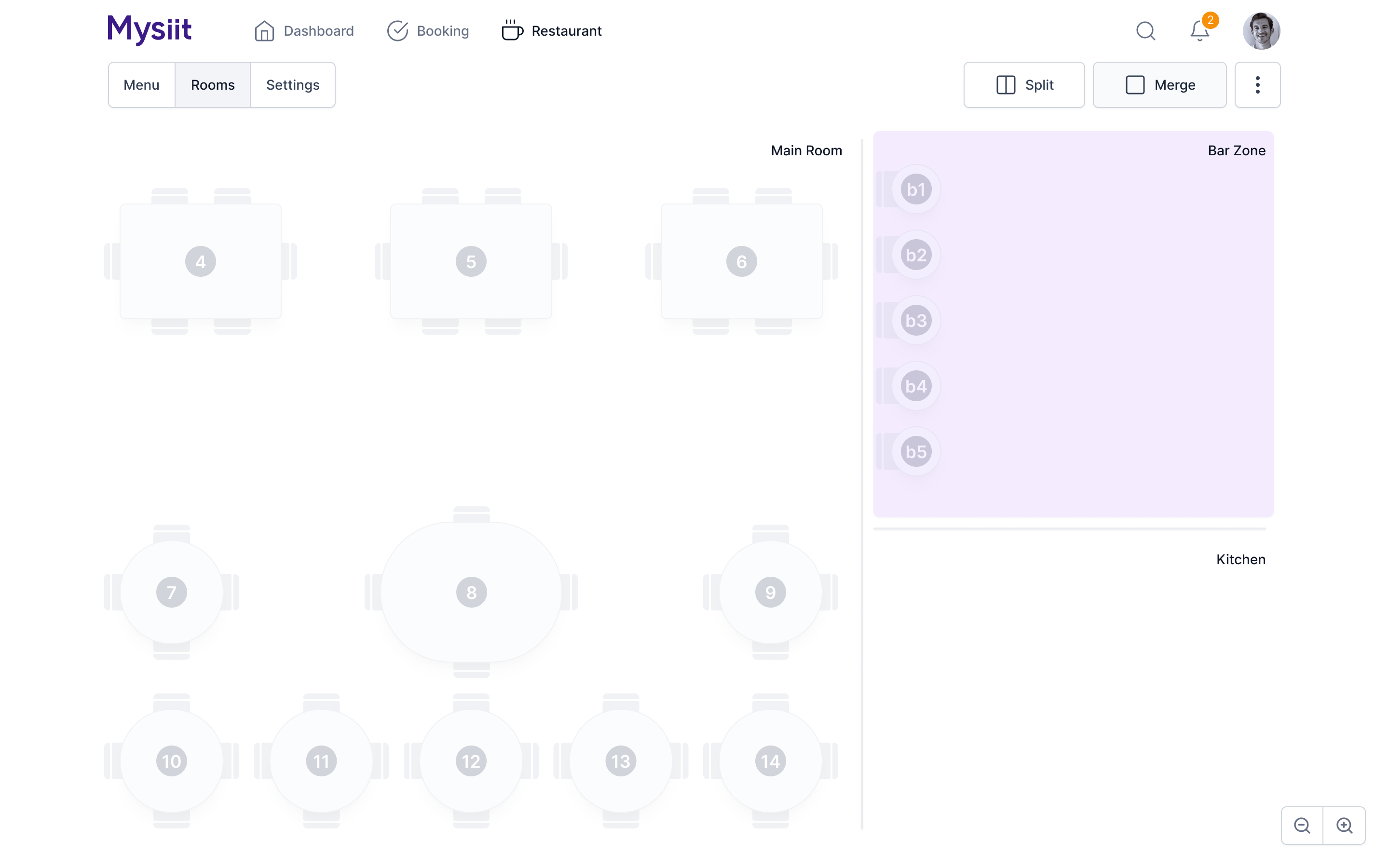
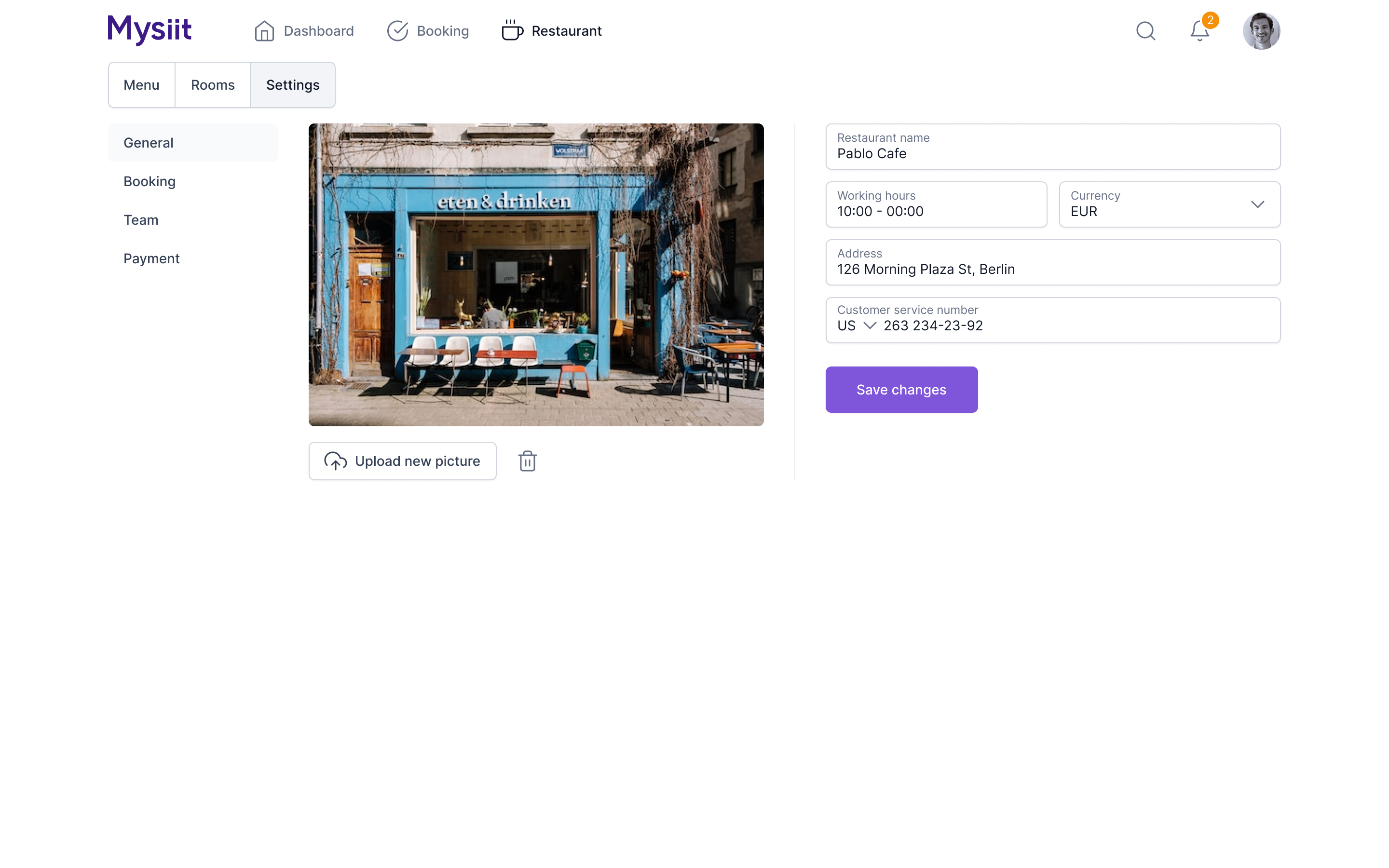
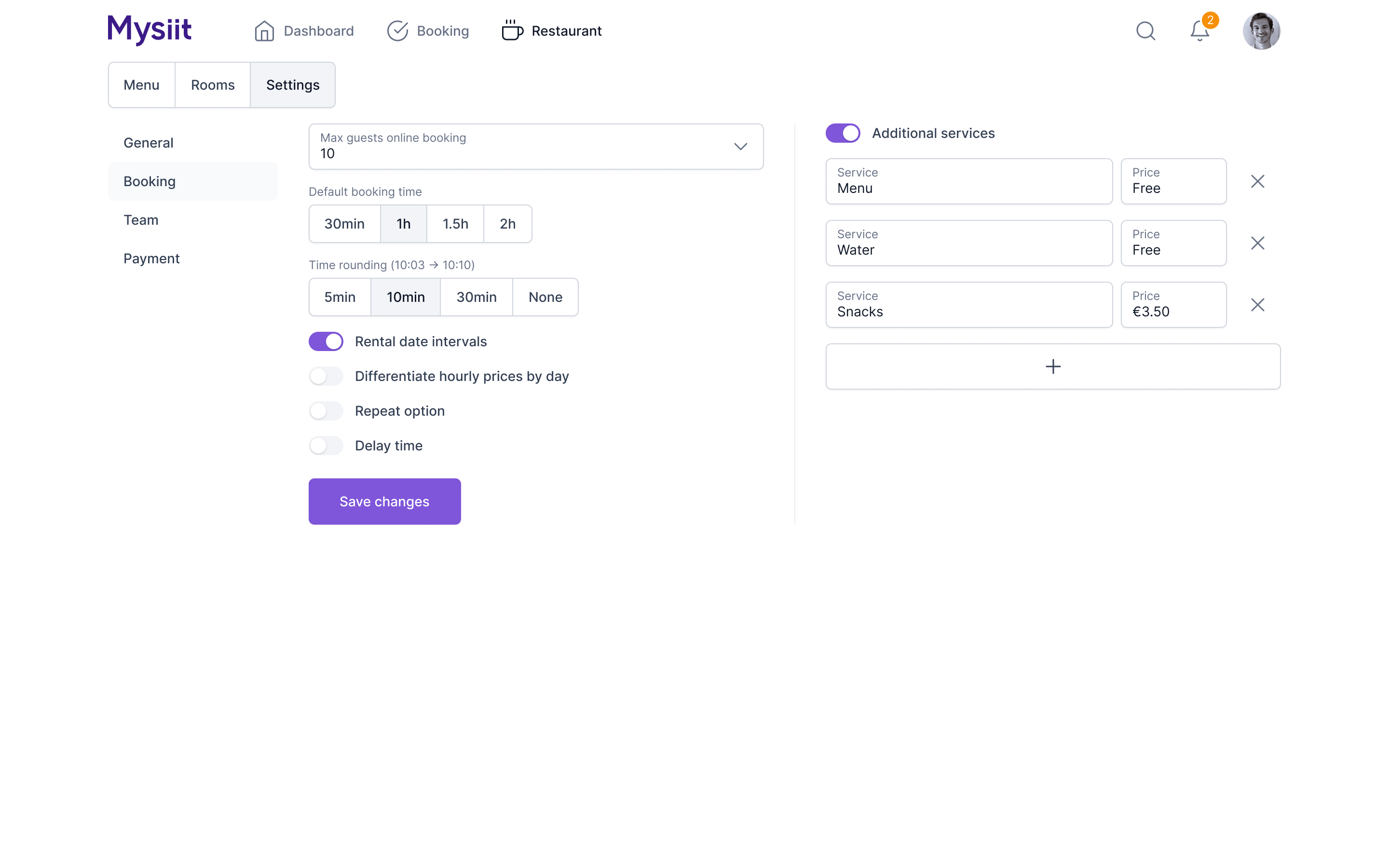
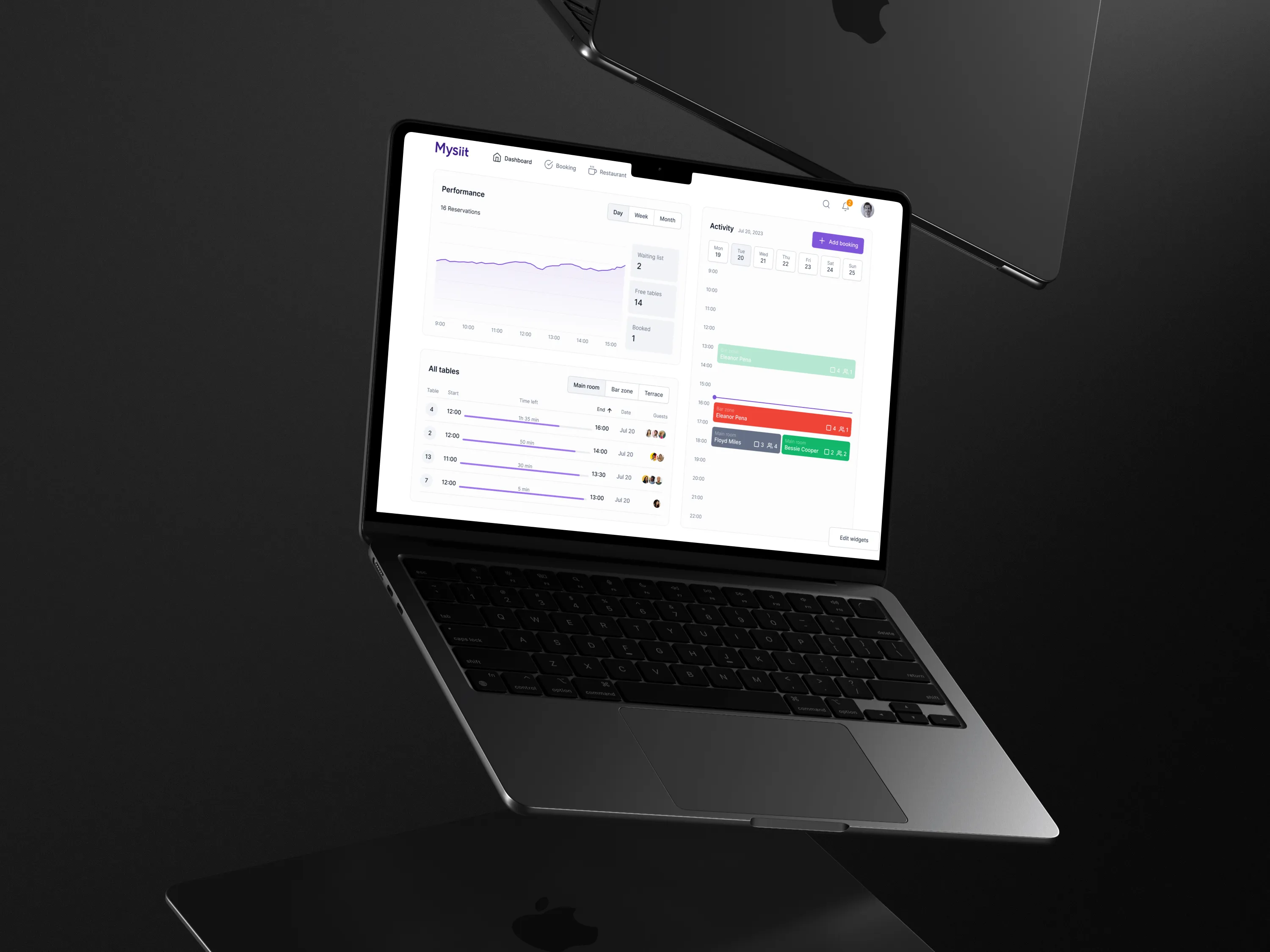
We rebuilt the information architecture from scratch — mapping real workflows instead of feature lists. The table manager became a visual, drag-and-place interface that mirrors how a host actually thinks about a floor plan.
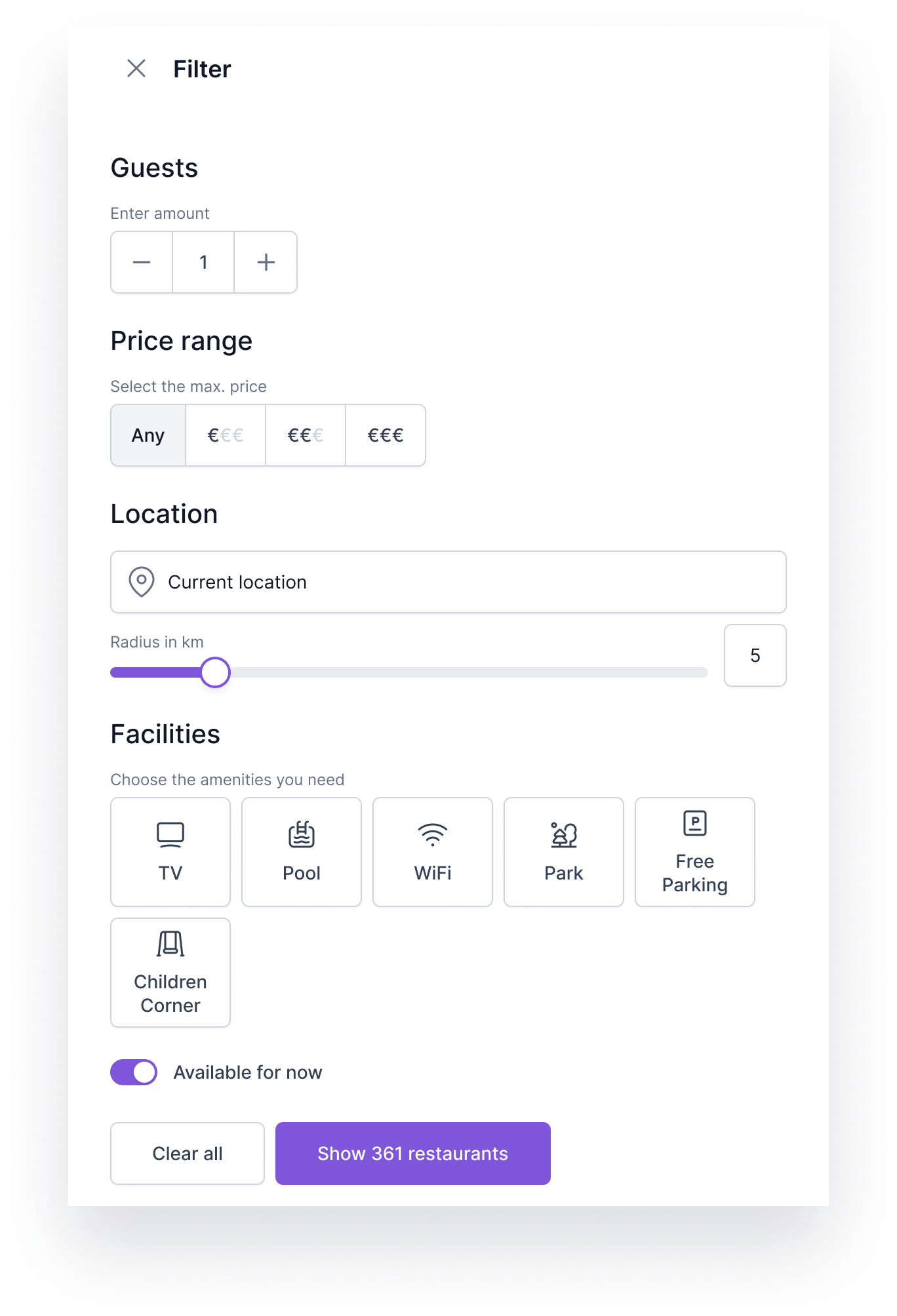
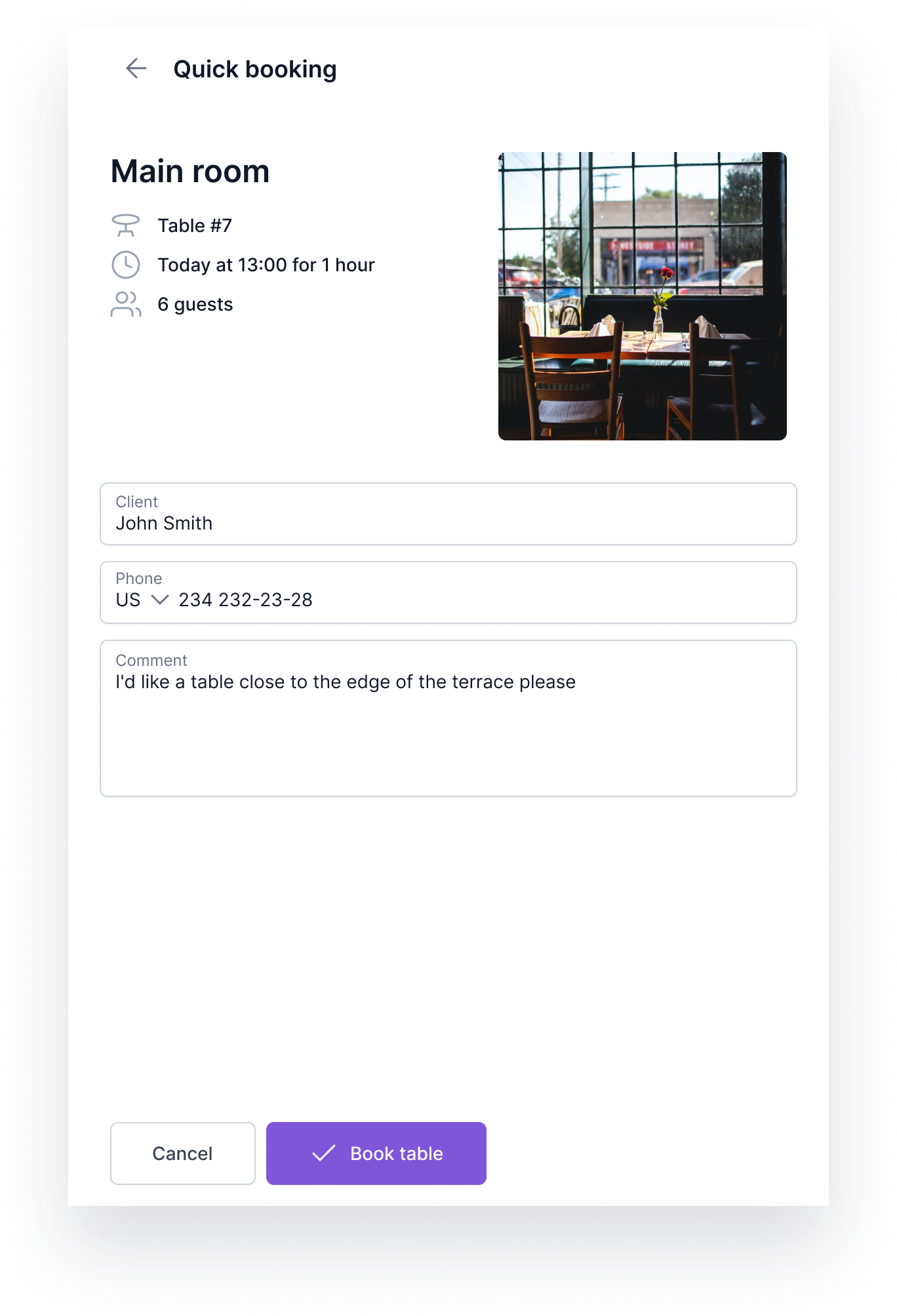
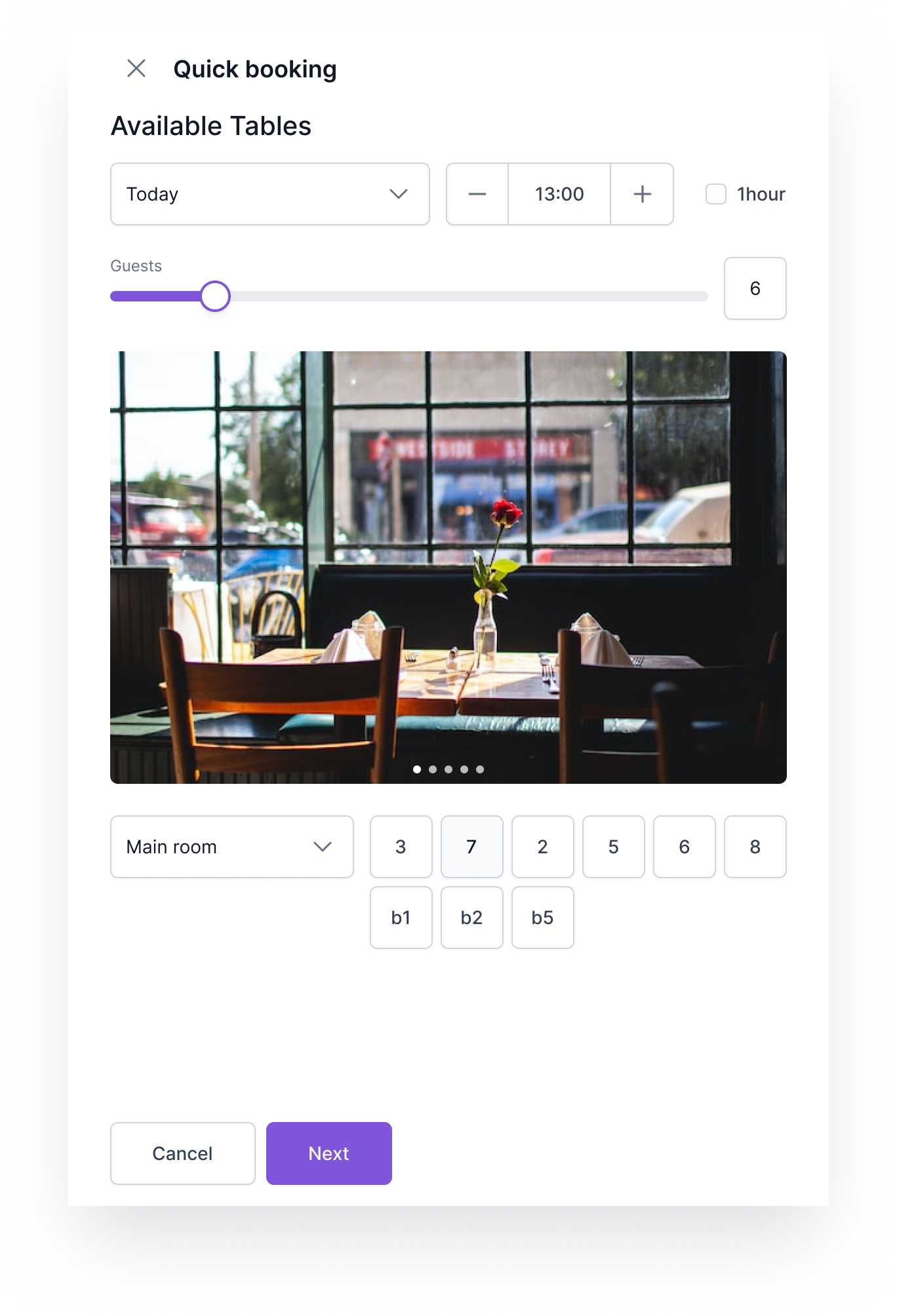
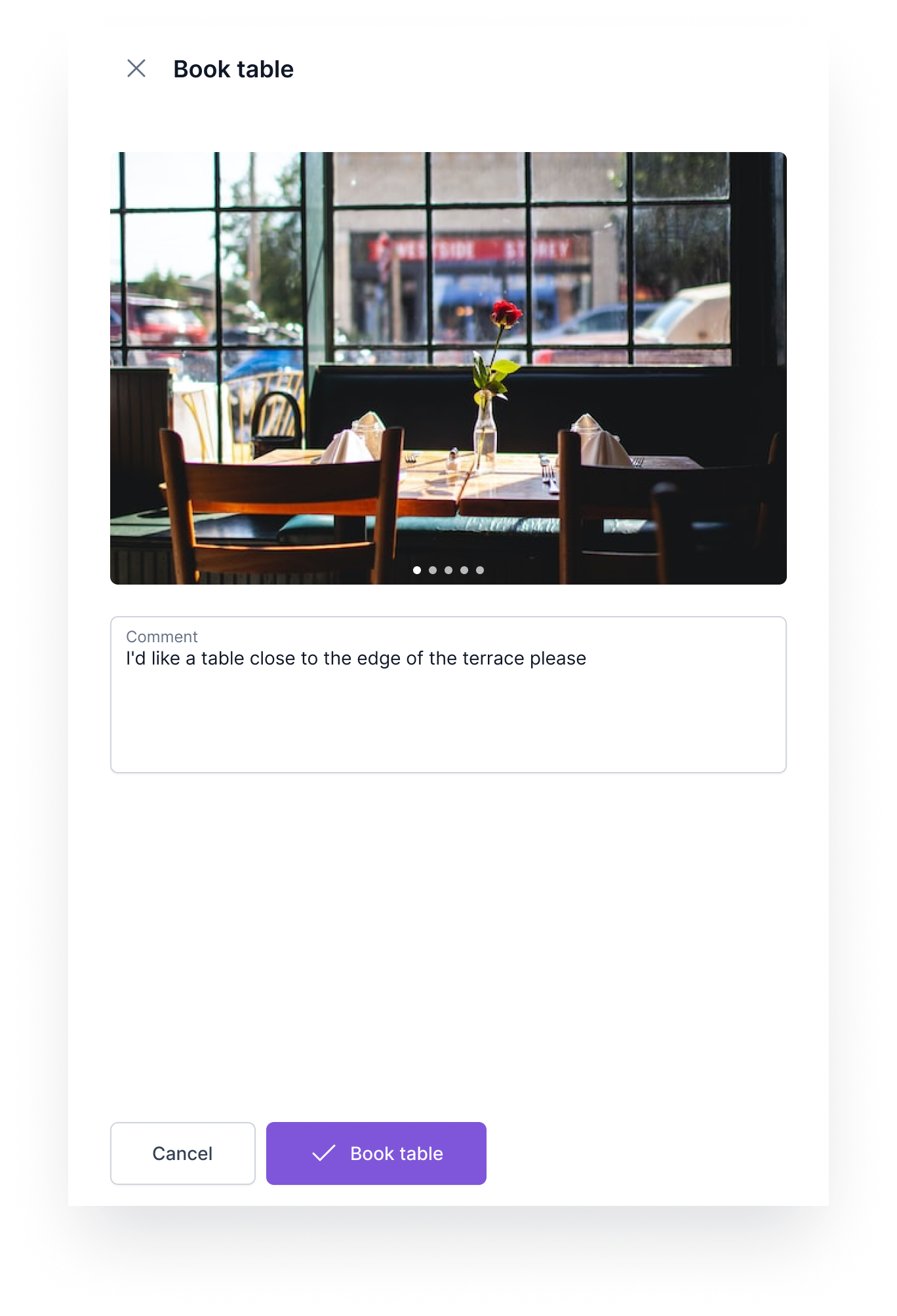
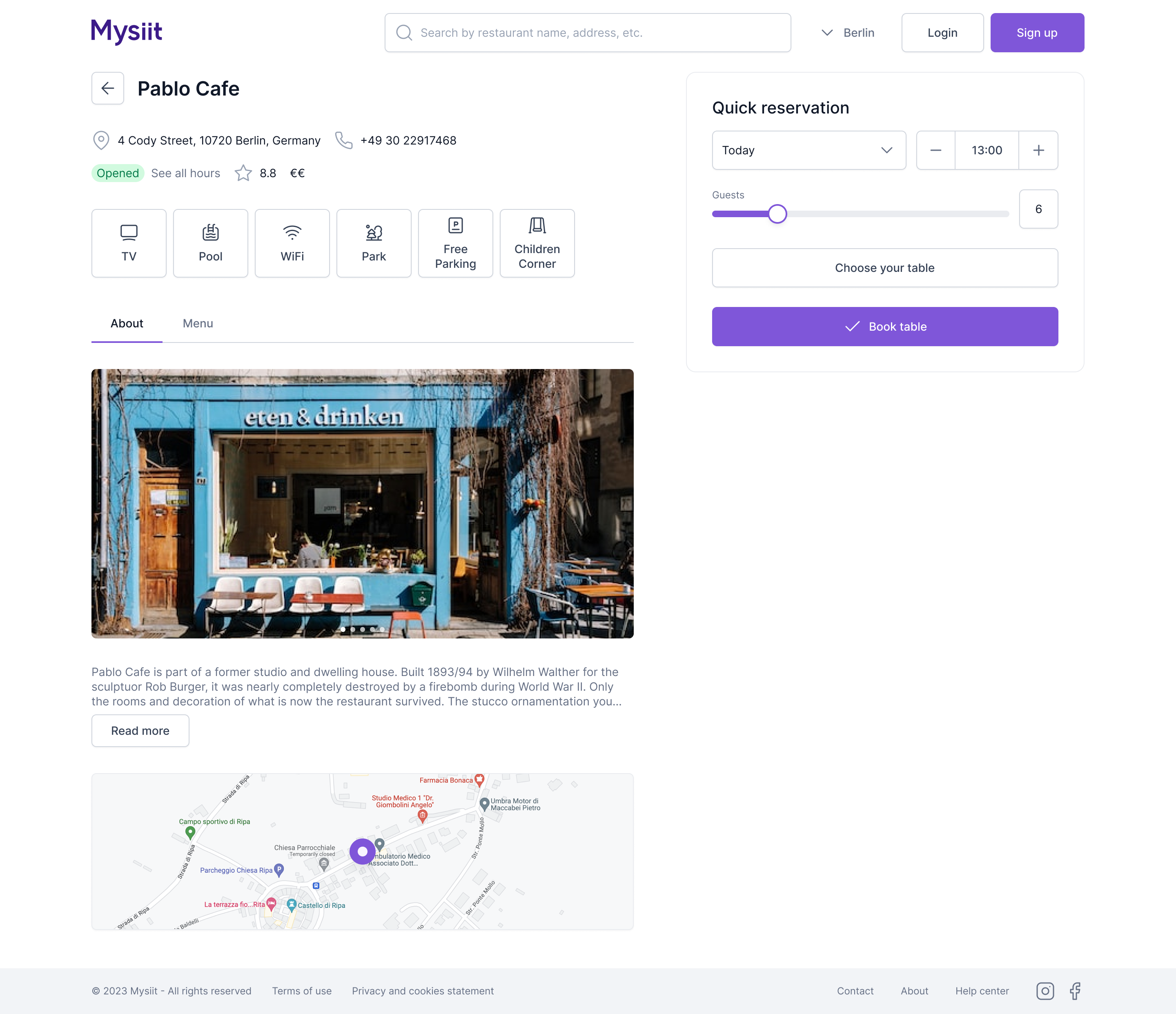
The guest-facing side got a focused booking flow: browse, pick, confirm. No dead ends, no unnecessary fields. We built a design system that tied both sides together — consistent enough to feel like one product, flexible enough to scale.
A product that restaurant staff could use without onboarding. A guest experience that removed every unnecessary step between "I want a table" and "I have a table."
A good reservation product doesn't manage bookings — it gets out of the way and lets people do their jobs.